A best cultural trek near to Kathmandu valley is Balthali Village Trek. Suitable for those with short time looking for an easy trekking in Nepal, Dhulikhel-Namobuddha-Balthali Village trek is targeted mostly to families with children and seniors. Of course, for others too Dhulikhel-Namobuddha-Balthali Village trek is equally exciting. The dense forests full of faunas, the terraced fields, the chirping birds, the culture and tradition of the hospitable villagers, the ancient historic shrines are some of the attraction of Dhulikhel-Namobuddha-Balthali Village trek. Starting from Dhulikhel, we observe the important sites of Dhulikhel and commence a three hour hike to Namobuddha, and then we trek to the Balthali Village. We have extended the trek to Panauti so that you can pay homage to the sacred town of Panauti. While on this cultural trek, meandering past the Hindu and Buddhist temples, rural hamlets, artistic villages, we will get in between with beautiful glimpses of the snowy Himalayan peaks. Overall, Dhulikhel-Namobuddha-Balthali Village trek is in a relaxing area that remains relatively uncrowded compared to more popular routes in Nepal. You can do Dhulikhel-Namobuddha-Balthali Village trek whole year round but best time to visit are March to June in Spring and October to December in autumn. Winter (Jan, Feb) is also not bad as its not high altitude trek.
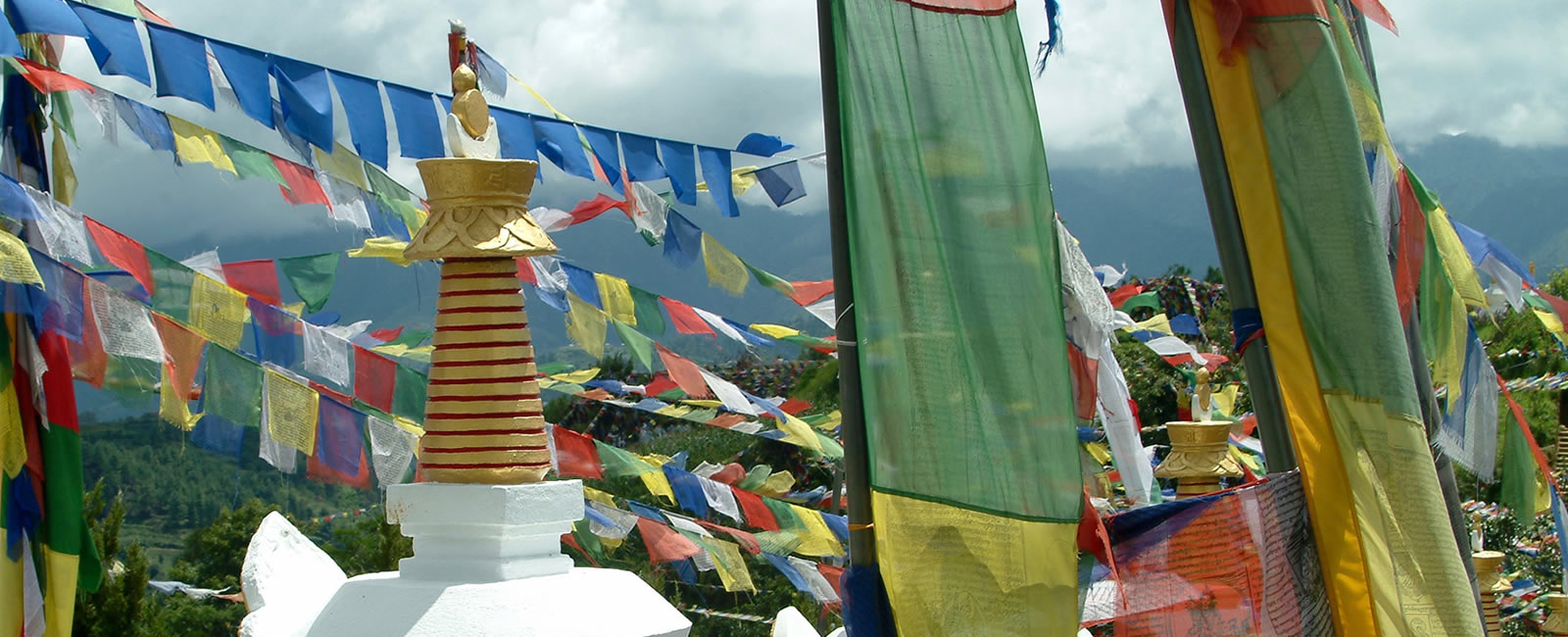
Soon after breakfast, we drive to Dhulikhel from Kathmandu. After observing important sites in Dhulihel, and being graced with a glimpse of the Himalaya, Langtang and Dorja Lapka Ranges we start our hike to Namobuddha (1982m). It takes about three hours to reach Namobuddha from Dhulikhel. From this hilltop shrine there are 360 degree views of the rural area, natural jungles, Himalaya and windswept prayer flags; its such a heavenly place. You may offer butter lamps to lord Buddha who offered his body to a starving tigress and her cubs, a legend related to Namobuddha shrine, which is commemorated by an ancient stone slab and a stupa with the all-seeing eyes of Lord Buddha. We continue a gorgeous cross country hike from Nomobuddha again. The trail passes through fields cultivated with mustard and Buckwheat, terraced orchids filled with orange trees bursting with ripe fruit (seasonal), traditional Tamang and Brahmin Villages and along a forested ridge down to the crystal clear Roshi Khola(River). Throughout the hike, hikers are treated to the views of the snow capped mountains and the rolling foothills of the Himalaya. A short steep climb will take us up to Balthali Village where we if its November/December, can enjoy juicy oranges picked straight from the tree and warmed by the late afternoon sun. We will hike up to Balthali Village Resort where a delicious feast of traditional organic food will be laid to hungry hikers. Overnight in Balthali Village Resort.
Balthali village trek is a cultural village trek. We trek from Balthali Village, a cozy settlement at the junction of Roshi and Ladku streams. Balthali Village is surrounded thick forest with abundance of fauna. The terraced fields and the villagers working there traditionally without any modern agricultural equipment will amaze you. Nature lovers and bird watchers can spend days exploring and discovering some exceptional species of wildlife, tradition and culture untouched by modernity in this off the beaten location. Today we will visit a typical Tamang village of Dada Gaun where a Buddhist Community lives. It is very traditional and secluded from the modern world. We then walk to Pada Gaun (2100m), from where one can have extremely good views of the whole Himalayan range to north and beautiful green forest of Mahabharat. Balthali Village offes the sunrise over the speculating mountain range of Manaslu, Langtang and Everest Plus, the innumerable rice terraces in the west and huge bodied green forest of Mahabharata range in the South is an another mesmerizing attraction to explore. We hike back to Balthali Village Resort for overnight rest.
Today, we take relaxed walk to the prosperous Newari village of Panauti. Inserted away in a side valley off the Arniko Highway, about 7km south of Banepa, Panauti sits at the sacred confluence of the Roshi Khola and Punyamati Khola. Panauti is in the shape of a triangle with a serpent (naga) idol standing at each of its three corners. It is believed the serpents to protect the village from flood. There are some interesting buildings in the middle of the village. Walk west along the northern brick lane and turn right just before you reach the main road. You’ll soon come to a large square with a music platform, a large white stupa, a Brahmayani Temple and classic Newari-style architecture. Paunauti houses some ornate temples, some Rana-era mansions, which have been restored with assistance from the French government. Indreshwor Mahadv temple which is believed to be one of the oldest pagoda style original architecture build in 1294 AD and rebuild in 15th century. This three tiered temple dedicated to Hindu god Shiva at the isthmus of Punyamata and Roshi river is the pride of this The lingam enshrined here is said to have been created personally by Shiva. If you are an admirer of ancient architecture, you would certainly enjoy the woodcarvings on the temple’s windows. Also visit to the the south Unamanta Bhairab Temple , with three faces peering out of the upstairs windows. Located within is a statue of Bhairab, accompanied by goddesses. A small, double-roofed Shiva temple stands in one corner of the courtyard, and a second shrine containing a huge black image of Vishnu as Narayan faces the temple from the west. Inside the temple compound is also the Panauti Museum , an interesting collection of artefacts from the region, and original sections from the Indreshwar Mahadev Temple. We drive back to Kathmandu.


 TourRadar
 BookMundi


